
What’s Involved in Professional Land Clearing?
People searching for professional land clearing are typically looking to remove trees, brush, and debris, and local service providers can efficiently handle these tasks to prepare land for development or use.
Understanding what’s involved in professional land clearing can help property owners make informed decisions about preparing their land for future use. Whether clearing space for a new structure, managing overgrown areas, or creating a safer, more accessible property, the process often involves several key steps, including removing trees, shrubs, and debris, as well as grading and site preparation. Local contractors who specialize in land clearing bring the necessary experience and equipment to handle these tasks efficiently, ensuring the job is done safely and effectively.
For property owners in the area exploring land clearing options, knowing what to expect can clarify the scope of work and highlight the benefits of working with experienced service providers. These professionals can assess the site, recommend appropriate clearing methods, and manage the entire process with expertise. Keep reading to learn more about what’s involved in professional land clearing and how local service providers can support your project’s success.
- Tree and brush removal - needed when clearing overgrown lots or preparing land for development, with local contractors using specialized equipment to safely remove vegetation.
- Stump grinding and removal - essential after tree removal to create a smooth, usable surface, with service providers employing efficient machinery to eliminate remaining stumps.
- Land leveling and grading - required for establishing a stable foundation for construction or landscaping, with local pros shaping the terrain to meet project specifications.
- Debris hauling and disposal - necessary for clearing debris after land clearing projects, with contractors managing waste removal to leave the site clean and ready for use.
- Underbrush and invasive species clearing - important for restoring land health or creating open spaces, with local experts targeting specific vegetation to improve land usability.
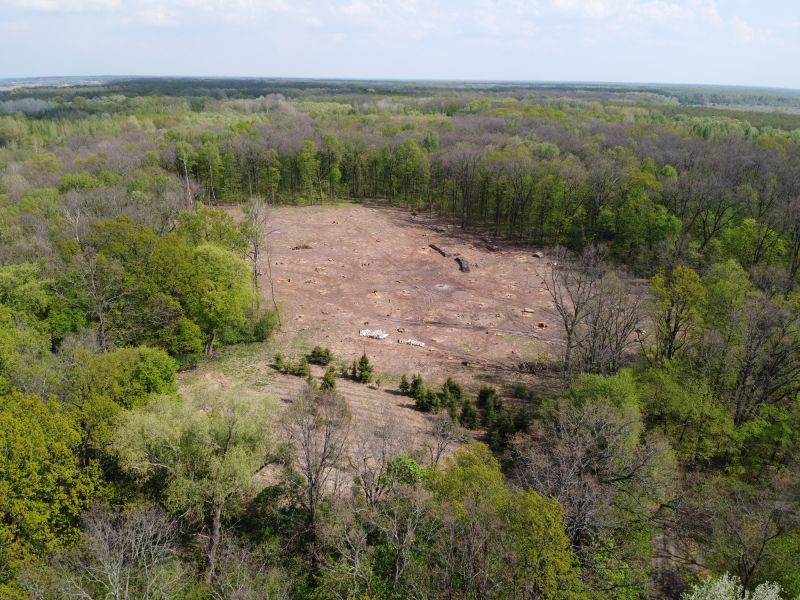
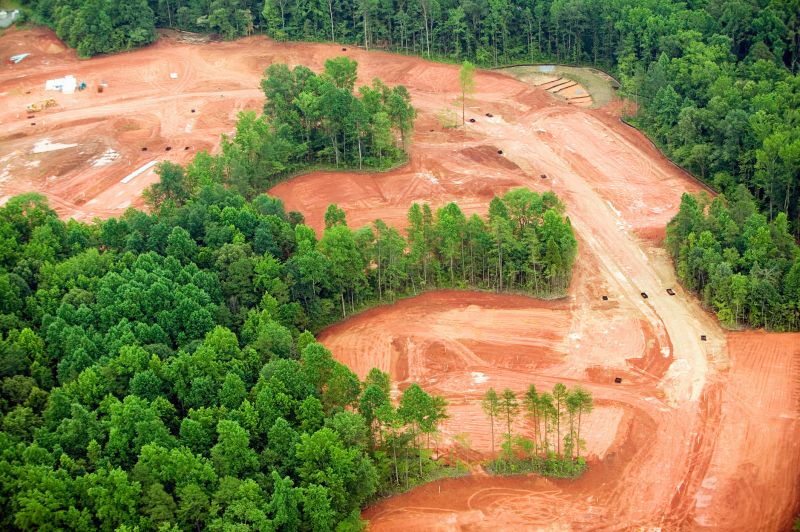
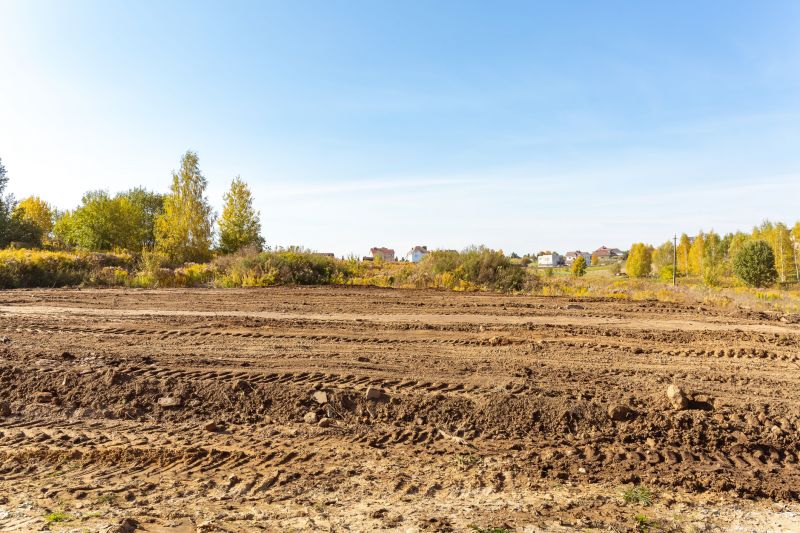
When people search for what’s involved in professional land clearing, they are often looking to understand the scope of work needed to prepare a property for development, farming, or other projects. This process typically involves removing trees, shrubs, and other vegetation to create a clear, workable space. Homeowners may consider land clearing when planning to build a new home, install a driveway, or create a lawn or garden area. It’s also common for property owners to seek professional help when dealing with overgrown lots or areas that have become difficult to manage due to dense vegetation. Understanding what’s involved helps homeowners grasp the complexity of the task and recognize how experienced local contractors can efficiently handle the job.
Land clearing is connected to a variety of property plans and challenges. For example, some property owners need to clear land to meet zoning or building regulations, while others may want to improve access or increase usable space. Overgrown or wooded lots can pose obstacles for construction or landscaping projects, and removing trees or brush can help prevent issues like drainage problems or pest infestations. Additionally, land clearing may be necessary after storm damage or to remove invasive plant species. Local service providers who specialize in land clearing bring the right equipment and expertise to address these problems, making sure the property is properly prepared for whatever the next step may be.
The types of properties that typically require professional land clearing vary widely. Rural land and large plots are common candidates, especially when preparing for farming or ranching activities. Suburban or semi-urban lots often need clearing before new construction or landscaping projects. Commercial properties may also require extensive clearing to develop parking lots, industrial facilities, or retail spaces. In many cases, properties with dense tree cover, thick brush, or uneven terrain benefit from professional clearing to create a safe, level, and accessible area. Local contractors are equipped to handle different property sizes and conditions, ensuring the work is done efficiently and safely according to the specific needs of each site.
Understanding what’s involved in professional land clearing helps homeowners see how local service providers can support their projects. These professionals typically handle tasks like removing trees, stumps, and brush, as well as grading the land to create a level surface. They use specialized equipment such as bulldozers, excavators, and wood chippers to complete the work effectively. Whether clearing a small backyard or a large rural property, experienced land clearing contractors bring the skills and tools necessary to manage the job safely and efficiently. Connecting with local pros ensures that the project is tailored to the property’s unique features and future plans, making the process smoother and more manageable for homeowners.
Tree Removal Projects - Tree removal involves similar planning, safety considerations, and equipment use as land clearing, making it a common related service offered by local contractors.
Brush Clearing Services - Clearing overgrown brush requires specialized tools and techniques comparable to land clearing, often handled by the same types of service providers.
Site Preparation for Construction - Preparing land for construction involves clearing, grading, and debris removal, aligning closely with the skills used in professional land clearing projects.
Stump Grinding and Removal - Removing stumps after tree removal is a typical follow-up service that shares equipment and planning strategies with land clearing efforts.
Forestry Mulching Services - Forestry mulching involves shredding trees and brush on-site, requiring similar machinery and planning as land clearing tasks.
Land Grading and Leveling - Leveling and grading land after clearing ensures a stable foundation for future use, utilizing techniques and tools common in land clearing services.
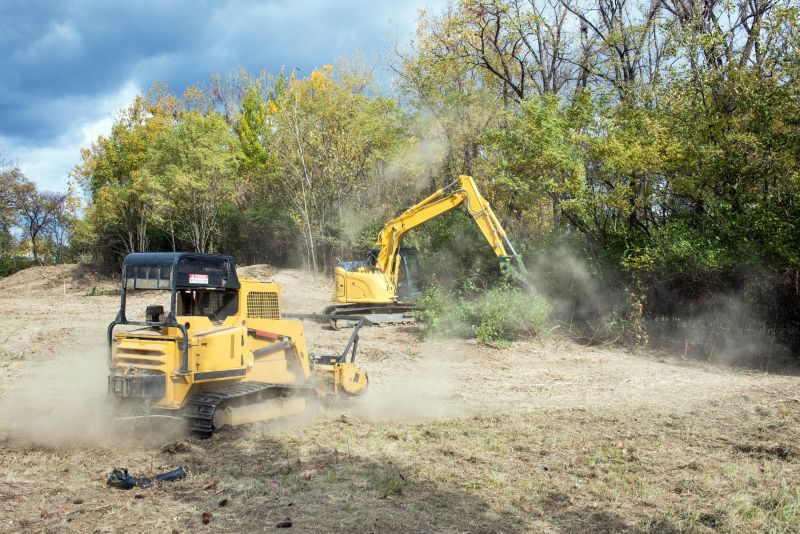
When comparing service providers for professional land clearing, it is important to consider their experience with similar projects. Land clearing can vary significantly depending on the size, terrain, and type of vegetation involved. Local contractors with a solid track record handling projects comparable to the specific land clearing needs can provide insights into their familiarity with the challenges and techniques relevant to the job. This experience often translates into more efficient work and a clearer understanding of what’s involved in the process, helping homeowners feel more confident in their choice.
Clear, written expectations are essential when evaluating land clearing services. Homeowners should seek detailed descriptions of what the project entails, including the scope of work, the equipment used, and the steps involved. Reputable service providers are typically transparent about what they will deliver, making it easier to compare proposals and ensure that all aspects of the job are covered. Having this information in writing helps prevent misunderstandings and sets a clear foundation for the project, ensuring everyone is aligned on the work to be performed.
Good communication and reputable references are key factors when selecting local contractors for land clearing. Service providers who are responsive and willing to answer questions demonstrate professionalism and a commitment to customer service. Additionally, seeking references or reviews from previous clients can offer valuable insights into the contractor’s reliability, quality of work, and ability to meet expectations. These factors can help homeowners find experienced, trustworthy local pros who communicate clearly and have a history of successful projects, making the process of land clearing smoother and more predictable.
Property owners often search for what’s involved in professional land clearing? when they are planning practical projects around their homes and businesses. Local pros provide Professional Land Clearing services for everyday jobs and straightforward project options.
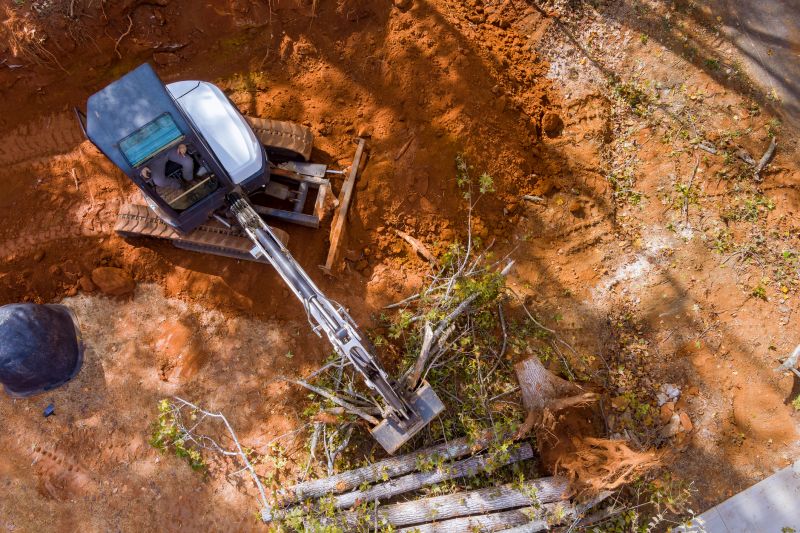
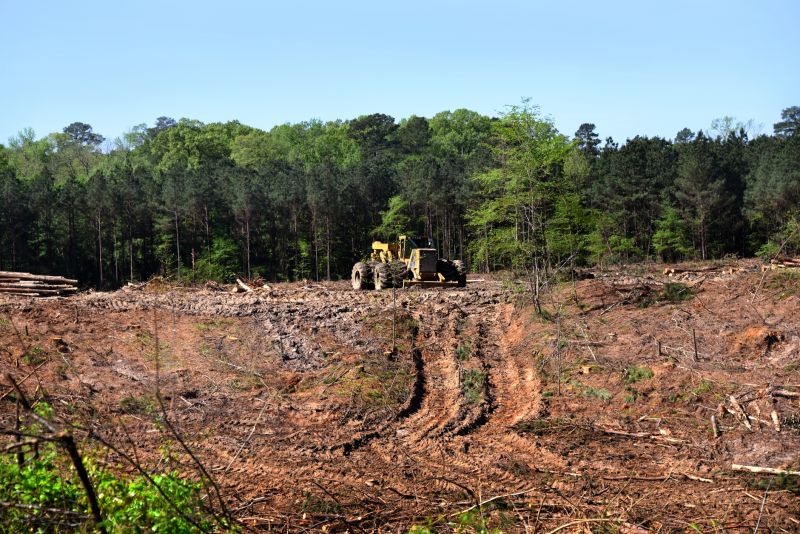
Understanding what’s involved in professional land clearing can help property owners make informed decisions when preparing their land for development, farming, or landscaping projects. Typically, local contractors assess the size and type of vegetation, including trees, shrubs, and underbrush, to determine the best approach. They may use specialized equipment to remove or grind down trees and stumps, clear debris, and level the land, ensuring the site is ready for its intended use. This process often involves managing obstacles like uneven terrain or underground utilities, which require experience and proper planning to handle safely and efficiently.
Many property owners seek out professional land clearing services to save time and reduce the physical effort involved in clearing large or dense areas. Local service providers are equipped to handle different project scopes, from small residential lots to extensive commercial sites. Hiring experienced contractors can ensure the job is done thoroughly, with attention to site cleanliness and safety considerations. Whether preparing a new lot for construction or clearing space for agricultural purposes, connecting with local pros can make the land clearing process smoother and more manageable.
What is involved in professional land clearing? Professional land clearing typically includes removing trees, shrubs, stumps, and debris to prepare a site for development or other uses. Local contractors use specialized equipment to efficiently clear the land while managing obstacles like rocks or uneven terrain.
How do land clearing services handle large trees and stumps? Experienced land clearing service providers utilize heavy machinery such as bulldozers, excavators, and stump grinders to safely and effectively remove large trees and stumps, ensuring the site is ready for its next phase.
What equipment is used during professional land clearing? Common equipment includes bulldozers, excavators, chainsaws, mulchers, and stump grinders. These tools help streamline the clearing process and handle different types of vegetation and terrain.
Are there any site assessments involved in land clearing? Yes, local service providers often evaluate the land to identify potential hazards, access points, and the best clearing approach, ensuring the project proceeds smoothly and safely.
What safety considerations are involved in land clearing? Professional land clearing involves adhering to safety protocols related to heavy machinery operation, debris management, and environmental hazards to protect workers and the surrounding area.
Assessing land conditions - Local contractors evaluate the terrain, soil type, and existing vegetation to determine the best clearing methods for the property.
Selecting appropriate equipment - Pros choose the right machinery, such as bulldozers or excavators, to efficiently handle trees, brush, and debris removal.
Managing debris removal - Land clearing services include sorting, chipping, or hauling away cleared materials to prepare the site for future use.
Ensuring site safety and cleanup - Professionals prioritize safe work practices and thorough cleanup to leave the land ready for development or landscaping projects.
If you are thinking about what’s involved in professional land clearing? for a property, this guide is meant to help you understand this topic, the typical project types, and how different options might fit your plans.
When you are ready, you can use the quote form on this page to share a few details about your project. From there, local pros can review the basics and follow up with options that match what you have in mind.